
Ravenna, Italy, is a treasure trove of historical and artistic wonders, renowned for its stunning mosaics, rich cultural heritage, and serene atmosphere. This city, once the capital of the Western Roman Empire, offers visitors a unique glimpse into early Christian art and architecture. From its UNESCO World Heritage sites to its charming streets, Ravenna is a must-visit destination for both history enthusiasts and art lovers.
Here are just some of the must-see sights in Ravenna, Italy:
Basilica di San Vitale

One of the most iconic Ravenna, Italy’s sights, the Basilica di San Vitale stands as a masterpiece of Byzantine architecture. Built-in the 6th century, this basilica is famed for its intricate mosaics that adorn the walls and ceilings, depicting biblical scenes with vibrant colours and meticulous detail. The central dome, supported by eight large piers, creates a sense of grandeur and spiritual elevation.
Visitors are often mesmerised by the mosaic of Emperor Justinian and Empress Theodora, which exemplifies the fusion of imperial power and religious devotion. A visit to San Vitale is an essential part of any sightseeing trip in Ravenna Italy.
Mausoleum of Galla Placidia
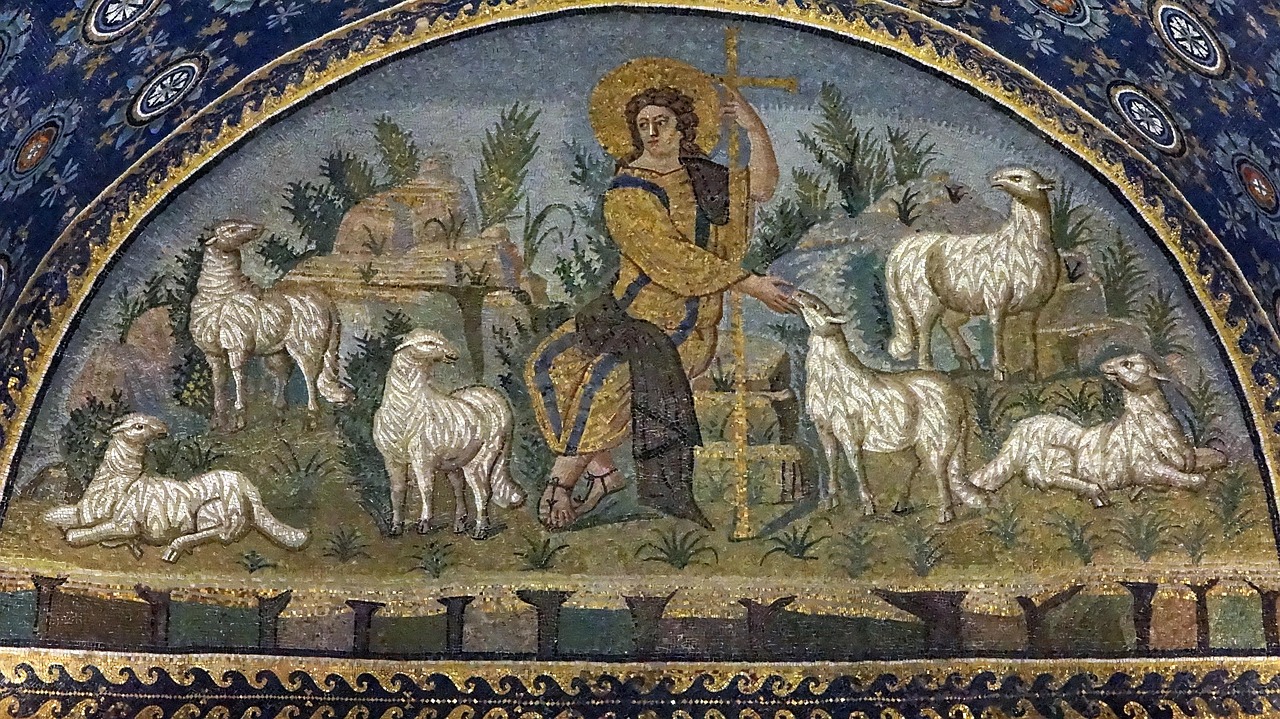
Adjacent to the Basilica di San Vitale lies the Mausoleum of Galla Placidia, a small yet profoundly significant structure. Constructed in the 5th century, this mausoleum houses some of the oldest and most well-preserved mosaics in Ravenna. The interior is adorned with a stunning array of blue and gold mosaics, creating a celestial ambiance that captivates visitors.
Over the north entrance is a popular mosaic, a noteworthy depiction of the Good Shepherd surrounded by a lush landscape, reflecting the early Christian emphasis on pastoral care and salvation. This site is undoubtedly among the top sights to see in Ravenna Italy.
Basilica di Sant’Apollinare Nuovo

Another gem in Ravenna’s mosaic heritage is the Basilica di Sant’Apollinare Nuovo. Originally built as a palace chapel for Theodoric the Great in the early 6th century, this basilica showcases a remarkable series of mosaics that chronicle the evolution of religious art. The nave walls feature two parallel processions: one of male martyrs and the other of female martyrs, leading towards Christ and the Virgin Mary, respectively.
Mosaics in the Basilica offer insight into the theological and artistic developments of the period. For those interested in sightseeing in Ravenna, Italy, this basilica offers a profound visual narrative of early Christian beliefs.
Neonian Baptistery
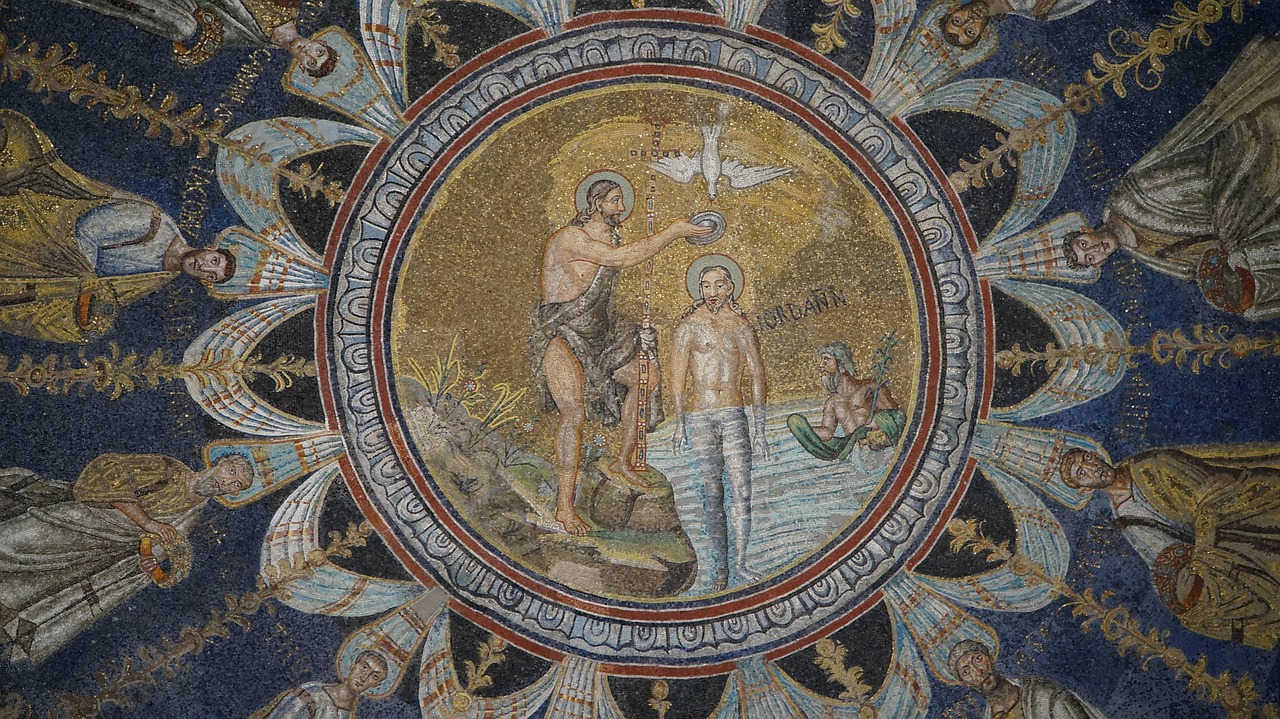
The Neonian Baptistery, also known as the Orthodox Baptistery, is one of the oldest monuments in Ravenna, dating back to the late 4th or early 5th century. This octagonal structure is renowned for its dome mosaic depicting the baptism of Christ by John the Baptist, surrounded by the twelve apostles. The vibrant colours and dynamic figures exemplify the artistic excellence of the period. As a major Ravenna, Italy sight, the Neonian Baptistery offers visitors a glimpse into the early rituals and iconography of Christianity.
Arian Baptistery
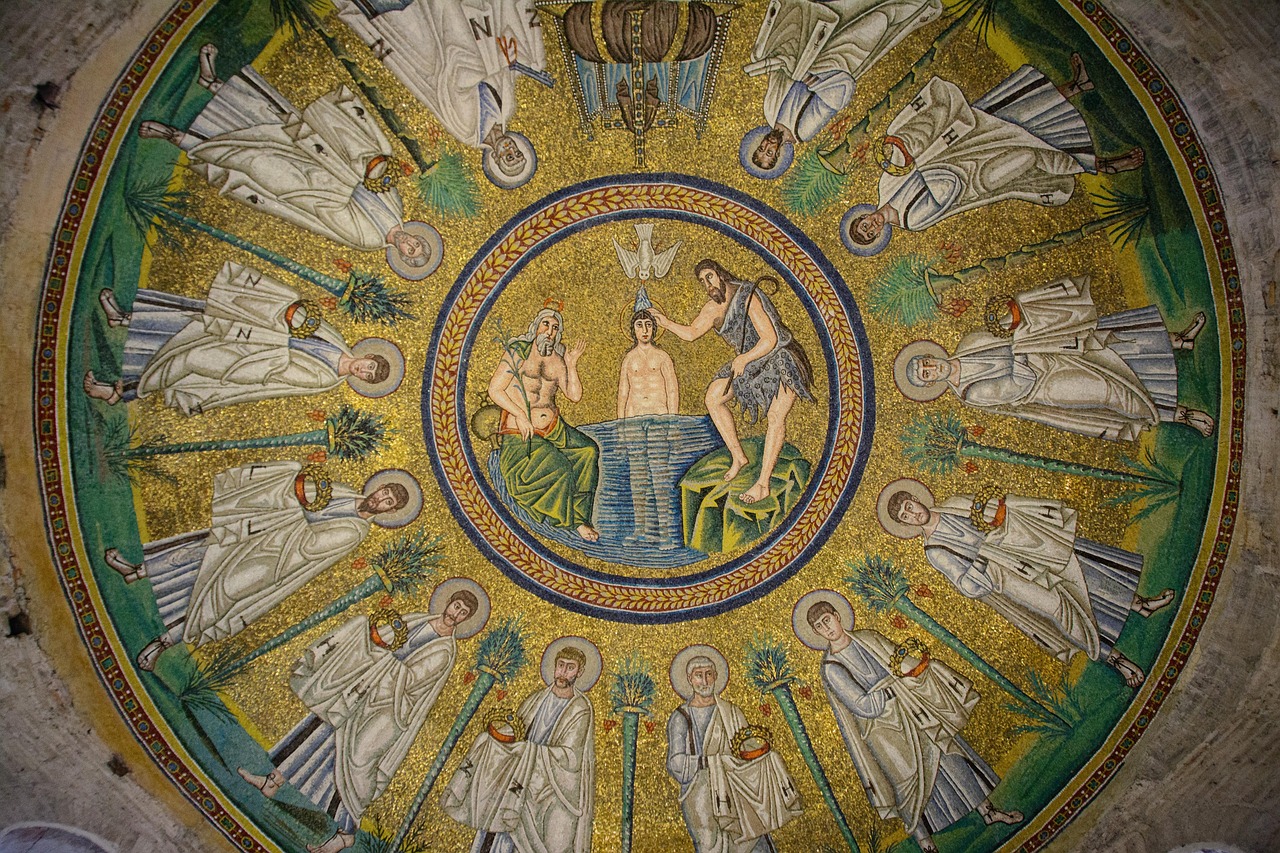
Built by Theodoric the Great for the Arian Christian community, the Arian Baptistery is another significant monument in Ravenna. Its dome mosaic, similar to that of the Neonian Baptistery, portrays the baptism of Christ, emphasising the theological differences between Arianism and Orthodox Christianity. The subtle variations in artistic style and iconography provide valuable insights into the religious diversity of the time. This site is an essential stop for those exploring Ravenna, Italy.
Basilica di Sant’Apollinare in Classe
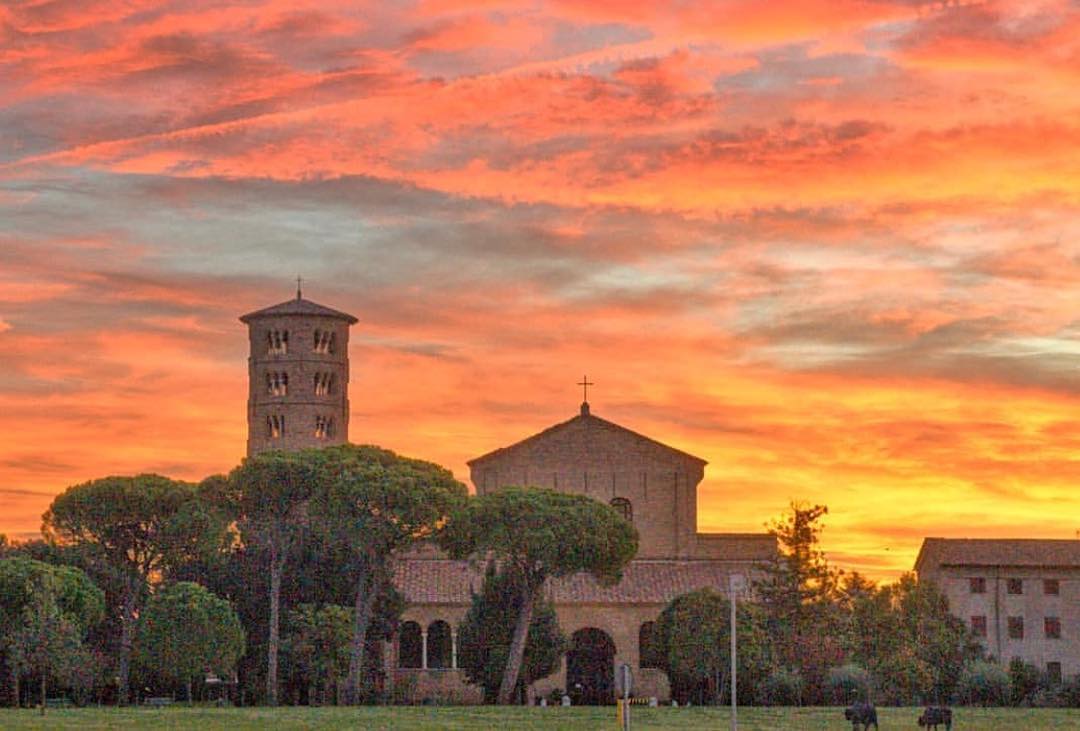
Located just outside the city centre, the Basilica di Sant’Apollinare in Classe is a monumental example of early Christian architecture. Consecrated in 549 AD, this basilica is dedicated to Saint Apollinaris, the first bishop of Ravenna.
The apse mosaic, depicting Saint Apollinaris in a pastoral setting beneath a large cross, symbolises the harmony between heaven and earth. The basilica’s spacious nave and elegant columns create a serene atmosphere, making it a highlight of any sightseeing trip in Ravenna, Italy.
Mausoleum of Theodoric
The Mausoleum of Theodoric, constructed in 520 AD, is a unique architectural structure built entirely of Istrian stone. Unlike other monuments in Ravenna, it lacks mosaics, reflecting the distinct cultural background of the Ostrogothic king. The massive monolithic dome, weighing over 300 tons, is a testament to the engineering prowess of the time. This mausoleum offers a different perspective on Ravenna’s history and is a noteworthy Ravenna, Italy sight.
Basilica di San Francesco
The Basilica di San Francesco, dating back to the 5th century, is closely associated with Dante Alighieri, who spent his final years in Ravenna. The basilica’s simple exterior belies the beauty within, including a flooded crypt where fish swim among ancient columns. This serene setting provides a contemplative space for visitors.
Rasponi Crypt and Roof Gardens
For something a little more off the beaten path, visit the Rasponi Crypt and Roof Gardens located in Piazza San Francesco. This hidden gem, part of the old Rasponi family palace, offers both historical intrigue and a peaceful escape in the heart of the city.
The crypt itself features a beautifully decorated floor with mosaics that predate the building, while the rooftop garden offers stunning views over Ravenna. These are excellent spots for quiet reflection or memorable photos. If you’re planning on doing sightseeing in Ravenna, Italy, this lesser-known site offers a refreshing change of pace from the crowds of significant landmarks.
Church of San Giovanni Evangelista
Founded in 425 AD by Galla Placidia, the Church of San Giovanni Evangelista is one of the oldest churches in Ravenna. Although the original mosaics were lost during World War II, fragments of medieval floor mosaics and a serene, understated interior still make this a worthwhile visit.
The church’s long history is palpable, offering visitors another layer of understanding when exploring Ravenna, Italy. Its quiet, almost austere beauty contrasts with the glittering mosaics found elsewhere in the city, offering a more intimate experience of sacred architecture.
Dante’s Tomb and the Quadrarco of Braccioforte
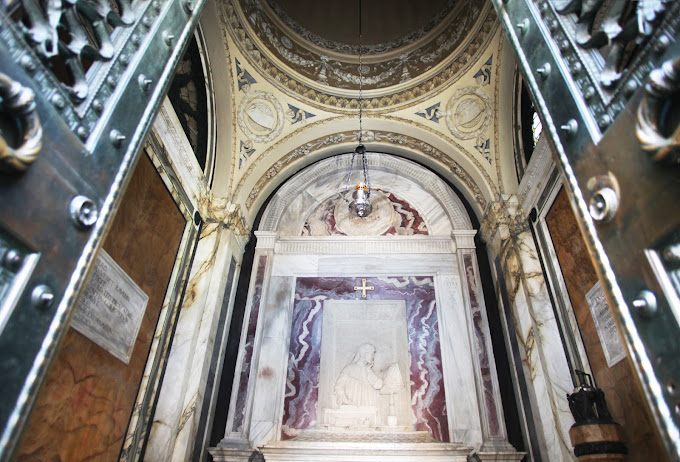
No trip to Ravenna is complete without paying homage to Dante Alighieri, the famed poet and author of The Divine Comedy. Dante’s Tomb, situated near the Basilica of San Francesco, is a modest neoclassical monument where the poet has been interred since his death in 1321.
Adjacent to it, the Quadraro of Braccioforte houses a tranquil garden and a monument to those who helped preserve Dante’s remains over the centuries. Together, they form a poignant memorial that brings you closer to Italy’s literary soul. For those interested in literary history, this stop is one of the most emotional sights in Ravenna, Italy.
Classis Ravenna – Museum of the City and Territory
Just outside the centre in the Classe district lies the impressive Classis Ravenna Museum, housed in a restored sugar factory. This museum is a modern, interactive space that traces Ravenna’s evolution from a Roman port to a Byzantine stronghold. Exhibits include ancient artifacts, models, multimedia installations, and detailed timelines.
If you’re planning on doing sightseeing in Ravenna, Italy, this museum offers essential background and is particularly great for families and curious minds. It’s also just a few minutes from the Basilica of Sant’Apollinare in Classe, making it an ideal two-stop trip.
National Museum of Ravenna
Housed in the former Benedictine monastery of San Vitale, the National Museum of Ravenna offers a comprehensive collection of artifacts spanning from antiquity to the Renaissance. Exhibits include ancient Roman and Byzantine sculptures, intricately carved sarcophagi, illuminated manuscripts, and archaeological finds from the region. These pieces not only illustrate Ravenna’s rich historical tapestry but also complement what you’ll see in its churches and monuments.
For those seeking a deeper understanding of Ravenna, Italy’s sights, the museum provides essential context, enriching your appreciation for the art and architecture found throughout the city. It’s an excellent stop for visitors who want to immerse themselves in Ravenna’s rich cultural legacy, beyond its renowned mosaics and religious sites.
Luxurious and Comfy Rest after Exploring the Sights of Ravenna, Italy
Exploring the rich scenery of Ravenna, Italy is like stepping into a living mosaic—each landmark more dazzling than the last. From the glittering domes of the Basilica di San Vitale to the quiet charm of Dante’s Tomb, Ravenna, Italy offers a blend of art, history, and heart you won’t find anywhere else.
And when you’ve had your fill of Byzantine brilliance, there’s no better way to recharge than with a restful night at La Reunion ApartHotel.
Ideally located near major attractions and transportation hubs, La Reunion offers the perfect blend of luxury, comfort, and convenience. Whether you’re marvelling at ancient mosaics or planning your next-day trip, we will make sure that your Ravenna experience is as relaxing as it is unforgettable.
Ready to turn your sightseeing into a stay worth remembering? Contact us today and let Ravenna’s magic begin.